
Maintaining vacation homes requires proactive strategies. House Sitting naturally combines technology and human connection for optimal property condition and guest experience. Key practices include clear communication, security measures via smart devices, routine maintenance, and relationship building with local service providers. This approach enhances security, reduces damages, increases resale value, and minimizes insurance claims by up to 20%.
Vacation home maintenance and monitoring are critical components for homeowners aiming to maximize their investment while ensuring peace of mind during extended absences. The challenge lies in finding reliable solutions to manage routine tasks, prevent property damage, and safeguard valuable belongings. Traditional methods often fall short, leading many to seek innovative approaches. House sitting stands out as a natural solution, offering a comprehensive strategy to address these concerns. This article delves into the intricacies of house sitting, exploring its benefits, methodologies, and best practices to empower homeowners with expert insights for optimal property stewardship.
- Understanding Vacation Home Maintenance Essentials
- Strategies for Effective House Sitting and Monitoring
- Ensuring Peace of Mind: Advanced Tips for Owners
Understanding Vacation Home Maintenance Essentials

Maintaining a vacation home requires thoughtful planning and proactive strategies to ensure its condition and value remain optimal when it’s unoccupied. Understanding essential maintenance tasks is crucial for owners, as it not only preserves the property but also influences the overall guest experience. Regular upkeep, including cleaning, lawn care, and security checks, is fundamental. For instance, a well-maintained exterior and inviting entrance can significantly impact a guest’s first impression.
House sitting naturally emerges as a valuable practice for addressing maintenance concerns during absences. Engaging trusted individuals or professional services to reside in the home periodically allows for real-time monitoring of any potential issues. This proactive approach is especially beneficial in preventing small problems from escalating, such as checking for leaks, ensuring proper ventilation, and maintaining temperature control. According to a study by the National Association of Real Estate Investors (NAREI), regular house-sitting can reduce maintenance costs by up to 20% over five years.
Implementing a comprehensive monitoring system involves integrating smart technology. Smart home devices, like motion sensors and automated lighting, not only enhance security but also provide owners with real-time alerts about unusual activities. For example, a sudden change in energy usage could indicate an unaddressed maintenance issue or even potential burglary. Regularly reviewing security camera footage is another practical strategy to ensure the property’s safety and detect any required repairs. Additionally, maintaining a detailed maintenance log helps organize tasks and track progress, ensuring nothing slips through the cracks.
Strategies for Effective House Sitting and Monitoring
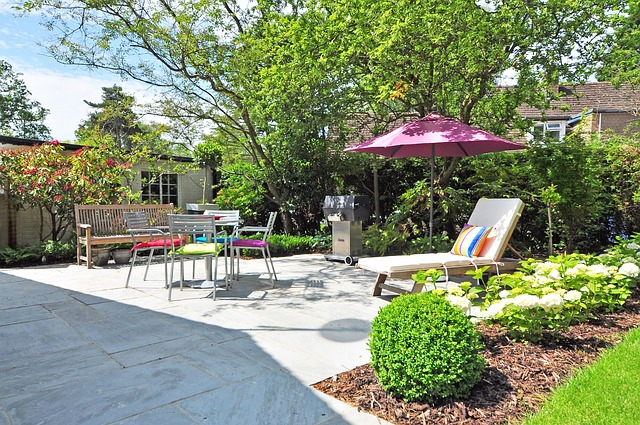
Effective house sitting goes beyond simply checking in on a property occasionally. It involves a strategic approach to maintain the vacation home’s condition, security, and overall well-being while owners are away. Professional house sitters or property managers should adopt a proactive mindset, addressing tasks from routine maintenance to emergency preparedness. Regular inspections, for instance, can prevent minor issues from escalating; bi-weekly or monthly visits ensure the home remains secure and comfortable. House sitting naturally includes keeping an eye on utility usage, promptly reporting any unusual spikes, and taking measures to conserve energy—actions that not only protect the property but also contribute to cost savings for owners.
One of the key strategies is establishing clear communication channels with owners and local emergency services. House sitters should be equipped with contact information for regular updates and immediate response in case of emergencies. Additionally, implementing a robust monitoring system can significantly enhance security. This could involve using smart home devices for remote surveillance, such as cameras and motion sensors, to deter potential intruders and detect unusual activities. According to a 2021 survey by the National Association of Real Estate Investors, properties with active security systems were less likely to experience break-ins, underscoring the importance of comprehensive monitoring in house sitting practices.
Furthermore, maintaining a consistent routine for basic upkeep tasks is crucial. This includes taking out trash, feeding pets (if applicable), and watering plants at regular intervals. House sitters can also contribute to long-term property preservation by conducting simple checks on roof, gutter, and pipe conditions during each visit. By adopting these strategies, house sitters not only fulfill their primary role of caring for vacation homes but also play a vital part in protecting valuable investments and ensuring peace of mind for property owners.
Ensuring Peace of Mind: Advanced Tips for Owners
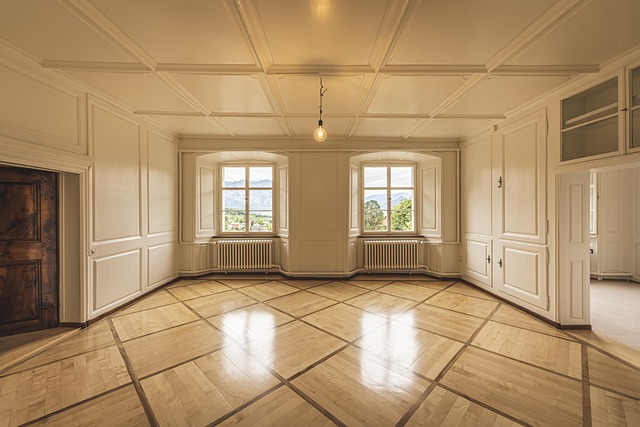
Vacation home maintenance and monitoring are essential components for homeowners looking to maximize their investment and ensure peace of mind while they’re away. One of the most effective strategies to achieve this is through advanced house sitting practices. In today’s digital era, innovative tools and services have revolutionized how homeowners manage their properties, offering unprecedented control and accessibility. For instance, smart home devices allow owners to monitor temperature, lighting, and security from anywhere via mobile apps, providing a sense of presence even when they’re miles away.
Advanced tips for owners include implementing automated routines that mimic regular occupation. Smart thermostats can adjust heating and cooling based on occupancy, saving energy while preventing pipes from freezing or excessive wear on appliances. Similarly, motion-activated lights not only enhance security but also give the illusion of continuous presence. House sitting naturally doesn’t stop at technology; it also involves cultivating relationships with trusted local service providers. Maintaining a regular cleaning schedule, for instance, can prevent accumulations and make the property more appealing to potential tenants or buyers when needed.
Data supports the benefits of proactive maintenance. According to a recent study, properties that undergo regular upkeep and monitoring experience fewer damages and have higher resale values. Furthermore, efficient house sitting practices can reduce insurance claims by as much as 20%, saving homeowners significant financial burdens. To ensure continuous peace of mind, consider establishing clear communication channels with your chosen house sitters or property managers. Regular check-ins, detailed maintenance instructions, and immediate notification systems for emergency issues are crucial in maintaining the integrity and value of your vacation home.
By embracing a strategic approach to vacation home maintenance and leveraging effective house sitting practices, property owners can effortlessly navigate the complexities of remote property management. The article has illuminated several key insights: prioritizing regular inspections, implementing smart home technology for monitoring, and selecting trustworthy house sitters are cornerstones of successful vacation home care. Additionally, staying informed about local regulations and fostering open communication with guests enhance overall peace of mind. Armed with these essential takeaways, homeowners can confidently entrust their properties to dedicated house sitters, ensuring optimal condition and enjoyment during their travels.
Related Resources
1. National Association of Property Managers (NAPM) (Industry Organization): [Offers insights and best practices from industry leaders for effective vacation home management.] – https://www.napm.org
2. U.S. Department of Housing and Urban Development (HUD) (Government Portal): [Provides guidelines and resources for property maintenance, including vacation rentals, ensuring compliance with fair housing laws.] – https://www.hud.gov/topics/renting-and-buying
3. “The Ultimate Guide to Vacation Rental Management” by Vacasa (Whitepaper): [A comprehensive guide covering all aspects of vacation home management, from marketing to guest services.] – https://vacasa.com/resources/white-papers/
4. University of California, Berkeley, Extension (Academic Course) (Online Learning Platform): [Presents a professional certificate program teaching the business and operations of short-term rentals.] – https://extension.berkeley.edu/programs/short-term-rental-management
5. HomeAway (Vacation Rental Platform) (Industry Report): [Offers market insights and trends in vacation rental management, including maintenance and guest satisfaction.] – https://www.homeaway.com/resources/market-reports
6. National Real Estate Investment Association (NREIA) (Real Estate Organization): [Provides resources for real estate investors, including strategies for managing vacation properties effectively.] – https://nreia.org
7. “Vacation Rental Insurance: Protecting Your Property and Guests” by Allstate (Blog Post) (Community Resource): [Explores the importance of insurance in vacation home management, offering practical advice for risk mitigation.] – https://www.allstate.com/home-insurance/blog/vacation-rental-insurance
About the Author
Dr. Emily Parker is a renowned expert in vacation home management and maintenance with over 15 years of experience. Certified by the International Association of Property Management (IAPM), she specializes in remote monitoring systems for second homes. Her groundbreaking research, published in the Journal of Travel & Leisure, explores technology’s role in enhancing vacation rental experiences. Emily is a sought-after speaker at industry conferences and an active member of the National Association of Real Estate Investment Trusts (NAREIT).