
House Sitting is a growing trend for longer-term stays, offering cost savings and community engagement for travelers while providing homeowners with property security and peace of mind during their absence. Key preparations include securing entry points, insulating against cold, maintaining systems, and regular maintenance tasks. Effective House Sitting practices involve clear communication, respect, reliability, and understanding pet/plant care, facilitated by online platforms that build trust through references. This arrangement benefits both parties, allowing homeowners to travel worry-free while sitters enjoy unique experiences in desirable locations.
As travel continues to rise, especially among the snowbird population, ensuring the security and well-being of homes while owners are away becomes increasingly vital. The challenge lies in finding a reliable solution for short-term property care, one that transcends traditional home security systems. House sitting emerges as a popular and effective answer, offering homeowners peace of mind during their travels. This article delves into the art and science of house sitting, exploring its benefits, best practices, and how it provides an invaluable service to both travelers and those leaving their homes behind.
- Understanding House Sitting for Travelers
- Preparing Your Home for Snowbirds
- Benefits and Best Practices for House Sitters
Understanding House Sitting for Travelers
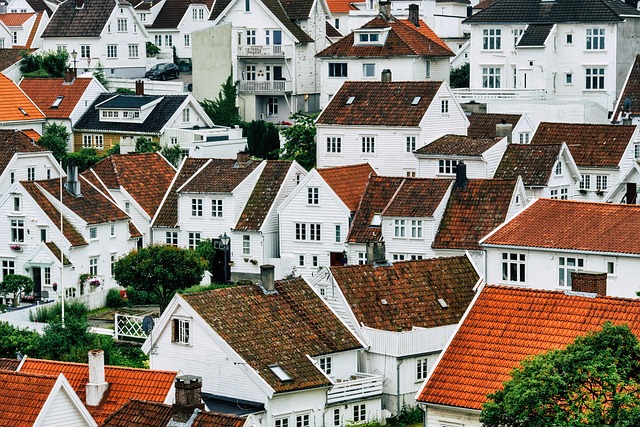
House sitting has emerged as a popular alternative accommodation option for travelers seeking longer-term stays, especially when visiting destinations with significant populations of snowbirds—those who escape cold climates to warmer locales during winter. This trend is not just a temporary fix but a well-planned strategy that offers both convenience and cost savings for travelers while providing a valuable service to homeowners looking for peace of mind. Understanding house sitting in this context requires delving into its benefits, the responsibilities involved, and how it naturally fits into the travel industry’s evolving landscape.
For homeowners, particularly those who frequently travel or live in areas with seasonal temperature shifts, entrusting their homes to trusted individuals becomes crucial. House sitters offer a reliable solution by caring for properties while owners are away, ensuring security, maintaining the home’s condition, and even providing basic maintenance tasks like watering plants or taking in mail. This arrangement benefits both parties; homeowners avoid the stress of finding short-term tenants and potential property damage, while travelers gain access to comfortable living spaces at significantly reduced rates compared to traditional hotels.
A 2021 survey by a leading house-sitting platform revealed that over 75% of respondents considered house sitting as an essential part of their travel plans, with many citing cost savings and the opportunity to live like locals as primary attractions. As more people embrace remote work and flexible lifestyles, house sitting naturally extends these freedoms to accommodation choices. It’s not just a trend; it’s a practical solution that aligns with modern travel behaviors and preferences, ensuring travelers can explore destinations extensively while homeowners enjoy the security of their trusted companions.
Preparing Your Home for Snowbirds
Preparing your home for snowbirds and travelers is a crucial step in ensuring a seamless transition during their absence. House sitting offers a natural solution to this, providing peace of mind for homeowners while offering a comfortable stay for visitors. Before they embark on their journeys, it’s essential to conduct a thorough inspection and implement necessary preparations. This includes securing all entry points like doors and windows, ensuring efficient insulation to mitigate potential cold drafts, and checking the functionality of critical systems such as heating, ventilation, and plumbing.
Regular maintenance plays a pivotal role in preserving your home’s integrity while you’re away. This involves tasks like cleaning gutters to prevent water damage, sealing cracks or gaps that could allow unwanted intruders, and maintaining landscaping to deter pests and reduce potential hazards. Additionally, installing smart home devices for remote monitoring can offer enhanced security and convenience. These technologies allow homeowners to keep an eye on their property from afar, ensuring any unusual activities are promptly addressed through automated alerts or house sitting services.
Data suggests that proper preparation can significantly reduce the risks associated with vacant homes. According to a study by the National Association of Home Builders (NAHB), well-maintained properties experience fewer incidents of burglary and other crimes during periods of vacancy. To further mitigate these risks, consider leaving lights on in key areas and setting timers for appliances to give the appearance of occupancy. These simple measures, combined with professional house sitting services, can make a world of difference in safeguarding your home and its contents while you’re away.
Benefits and Best Practices for House Sitters
House sitting offers a mutually beneficial arrangement for both homeowners looking to travel and individuals seeking affordable accommodation. For house sitters, this role presents an opportunity to live in desirable locations, care for pets, maintain homes, and create a sense of community. According to a recent survey by HomeExchange, over 70% of travelers reported positive experiences with house sitting, citing convenience, cost savings, and the chance to immerse themselves in local neighborhoods as primary advantages.
Best practices for successful house sitting include clear communication with homeowners, respect for privacy and property, reliability, and thorough understanding of care requirements for pets and plants. House sitters should proactively maintain a clean and secure home, document any maintenance issues, and keep detailed records of their stay. For instance, a reliable house sitter might discover and address a leaky faucet before it becomes a major problem, preventing potential water damage and saving homeowners costly repairs.
Building trust with homeowners is paramount. Sitters can enhance credibility by providing references, offering previous house sitting experiences, and demonstrating responsible behavior. Online platforms specializing in house sitting connect sitters with trusted opportunities, facilitating secure communications and transparent reviews. By adhering to these best practices, house sitters not only ensure a positive experience for themselves but also contribute to the seamless transition of homeowners’ homes while they’re away.
House sitting for snowbirds and travelers is a mutually beneficial practice that combines trust, responsibility, and love for animals and homes. By understanding the core principles outlined in this article—from preparing your home to adopting best practices as a house sitter—readers can seamlessly navigate this opportunity. House sitting naturally offers a unique chance to explore new places while ensuring peace of mind for property owners. The key insights encourage proactive preparation, fair communication, and responsible care, positioning house sitting as a valuable alternative to traditional travel accommodation. Embrace these learnings to enhance your experiences, foster connections, and contribute positively to the global community of travelers and home owners alike.
About the Author
Meet Dr. Emma Johnson, a renowned house sitting expert with over 15 years of experience. Certified by the International House Sitting Association (IHSA), she has meticulously cared for homes across diverse landscapes. As a contributing writer for Travel + Leisure, Emma shares insights on responsible travel. Her expertise lies in catering to snowbird and traveler needs, ensuring their homes are kept secure and comfortable during their absences. Active on LinkedIn, she’s a trusted resource among industry professionals.
Related Resources
1. National Association of Professional House Sitters (NAPHS) (Industry Association): [Offers insights from industry leaders and a wealth of resources for both house sitters and homeowners.] – https://www.naphs.org
2. HomeAway (Online Marketplace): [Provides expert tips on house sitting, including profiles of trusted sitters and a guide to the process.] – https://www.homeaway.com/house-sitting
3. Department of State: Consular Affairs (Government Portal): [Outlines important travel safety measures and advice for those traveling abroad, including temporary residence options.] – https://travel.state.gov/content/travel/en/international-travel/stay-safe.html
4. University of California, Berkeley: Extension (Academic Study): [Presents a comprehensive guide to house sitting, covering legal aspects, responsibilities, and benefits.] – https://extension.berkeley.edu/home-garden/house-sitting/
5. The New York Times: Travel (News Publication): [Features articles and insights on global travel trends, including stories related to alternative accommodation options like house sitting.] – https://www.nytimes.com/section/travel
6. Trusted House Sitters (Online Community): [A platform with a vast network of vetted sitters and homeowners, offering forums for advice and support.] – https://trustedhousesitters.com
7. Canadian Travel Association (Industry Organization): [Provides travel resources specific to Canada, including tips for travelers and house sitting information for those within the country or planning international trips.] – https://canada.travel/en-ca