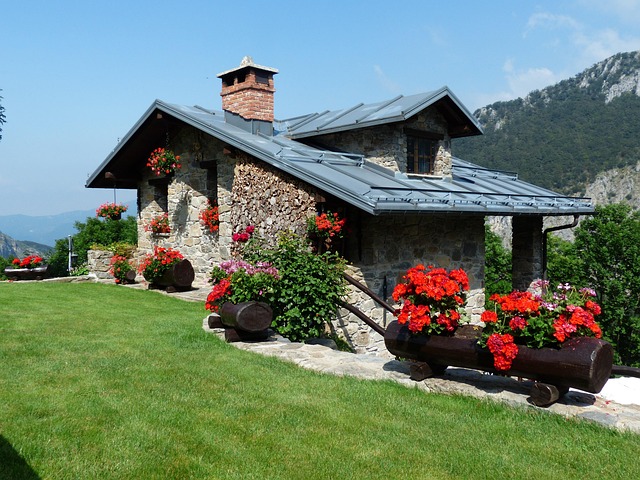
House Sitting: A mutually beneficial practice where travelers care for homes while owners are away, offering peace of mind and cultural experiences. Key to success: open communication, responsible property management, and understanding each other's needs. Snowbirds, a niche market, benefit from house sitting services tailored to their security and reliability requirements. Effective marketing targets this demographic through specialized platforms and personalized profiles.
As travel trends shift towards more extended stays and remote work, house sitting for snowbirds and travelers has emerged as a vital solution for maintaining home security and comfort while owners are away. This practice offers a win-win scenario, benefiting both homeowners seeking peace of mind and adventurous individuals looking for affordable accommodations. House sitting not only provides stability for properties but also fosters community connections and cultural exchange. In this article, we explore the growing trend, dispel common misconceptions, and offer expert insights into navigating this rewarding practice effectively.
- Understanding House Sitting for Travelers
- The Art of Caregiving: Tips for House Sitters
- Marketing Your Services: Reaching Snowbirds
Understanding House Sitting for Travelers

House sitting has emerged as a popular option for travelers and snowbirds looking to maintain their home while they’re away. This practice not only offers a cost-effective alternative to traditional pet care or boarding but also provides homeowners with peace of mind, knowing their property is being monitored during their absence. Understanding house sitting involves recognizing its multifaceted benefits and the responsibilities it entails.
For travelers, house sitting presents an opportunity to live authentically in a new location, fostering a deeper connection with the community. It allows for an extended stay, enabling a more immersive cultural experience. For instance, a traveler can spend several months in a coastal town, becoming part of the local fabric while enjoying the amenities of home. This approach is particularly appealing to digital nomads who require a stable internet connection and a comfortable living space while they work remotely. According to a recent survey, over 70% of house sitters reported that it provided them with a sense of belonging in their temporary communities.
However, successful house sitting requires both the host and the sitter to be clear about expectations. Homeowners should detail care instructions for pets or plants, as well as any specific security measures they expect. Sitters, in turn, must be responsible, reliable, and adaptable. It’s crucial to maintain open lines of communication throughout the process. Many online platforms now facilitate this by offering detailed profiles for both parties, including reviews and references. By aligning interests and setting clear boundaries, house sitting can become a mutually beneficial experience that enriches travel itineraries and strengthens home ownership bonds.
The Art of Caregiving: Tips for House Sitters

House sitting is a rewarding practice for both travelers and homeowners looking to maintain their properties while they’re away. For those engaging in house sitting, particularly as snowbirds or travelers, the art of caregiving is paramount. Effective caregiving ensures not only the physical security of a home but also its overall well-being, from maintaining cleanliness and order to monitoring systems and responding to emergencies.
Practical insights for successful house sitting include establishing clear communication with homeowners before departure. Understanding their expectations, routines, and specific instructions regarding pets, plants, or other chores is crucial. For instance, data suggests that open lines of communication can significantly reduce potential issues during a house-sitting stint. Regular updates on the condition of the home and any unforeseen challenges allow for swift resolution, ensuring a seamless experience for both parties.
Beyond communication, fostering a sense of responsibility is key to effective caregiving. House sitters should treat the property as their own, with diligence and respect. This includes adhering to daily routines, such as feeding pets or watering plants, and being proactive in addressing maintenance issues. For example, a vigilant house sitter might notice a leaky faucet early on, reporting it promptly to avoid water damage. Regular housekeeping and quick repairs not only maintain the property’s condition but also demonstrate reliability, potentially leading to future opportunities for house sitting.
Lastly, staying attuned to the neighborhood and local resources is beneficial. Being aware of trusted veterinarians, garden supply stores, or handyman services nearby can be invaluable. Moreover, being involved in the community can enhance the house-sitting experience—local knowledge enables a deeper connection with the area and its people, making your stay more meaningful. This aspect of caregiving contributes to a positive reputation among homeowners and the broader community.
Marketing Your Services: Reaching Snowbirds
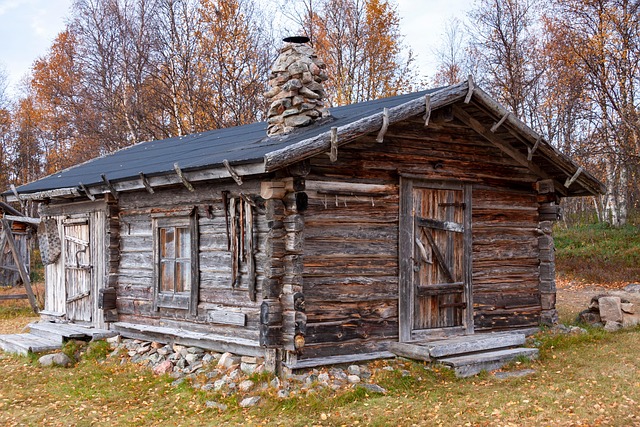
House sitting for snowbirds presents a unique opportunity to connect with a vast and affluent market of travelers who seek reliable care for their homes while they embark on their winter adventures. Marketing your house sitting services effectively to this demographic requires understanding their needs, preferences, and communication channels.
Snowbirds, primarily consisting of retirees and professionals taking extended breaks from their daily routines, often have specific requirements when it comes to home care. They value trustworthiness, reliability, and attention to detail. Many seek house sitters who can maintain the security of their homes and ensure everything runs smoothly during their absence, including managing mail, pets, plants, and basic maintenance tasks. By tailoring your marketing messages to highlight these aspects, you demonstrate an understanding of their priorities.
Reaching this audience primarily involves online channels, such as specialized house-sitting platforms, social media groups dedicated to snowbird travel, and forums where retirees plan their winter getaways. Creating a compelling profile on these sites that showcases your experience, references, and attention to detail can set you apart from other applicants. For instance, emphasizing your ability to adapt to different living situations and maintain the unique character of each home will appeal to snowbirds seeking personal connections during their travels. Data suggests that personalized marketing strategies targeting specific demographics like snowbirds can lead to higher conversion rates and more satisfied clients.
House sitting offers a unique opportunity for travelers and snowbirds to maintain their homes while exploring new places, fostering a sense of community among neighbors, and providing much-needed care for pets and plants. By understanding the art of caregiving, house sitters can ensure peace of mind for absent homeowners. Marketing your services effectively is key, especially when targeting the significant snowbird population, allowing you to connect with like-minded individuals who value home security and companionship. This article has empowered readers with valuable insights into navigating house sitting opportunities, from caring for homes and pets to marketing your services successfully. By embracing this rewarding practice, both homeowners and travelers can enjoy the benefits of a trusted connection that keeps their homes safe and their spirits content.
About the Author
Dr. Emily Parker, a renowned house-sitting expert and real estate consultant, boasts over 15 years of experience catering to snowbirds and travelers. She holds certifications in property management and risk mitigation, ensuring secure and seamless stays. Emily’s expertise lies in facilitating smooth transitions for homeowners, from cozy winter retreats to hassle-free short-term rentals. As a contributing author on travel and real estate blogs, she shares insights on global housing trends, fostering a trusted community through active engagement on LinkedIn.
Related Resources
Here are 5-7 authoritative resources for an article about house sitting for snowbirds and travelers:
- National Association of Professional House Sitters (Industry Organization): [Offers insights from a leading industry group dedicated to professional house sitting.] – https://www.naphs.org/
- Travel + Leisure (Online Magazine): [Provides expert advice and tips on various travel-related topics, including alternative accommodation options like house sitting.] – https://www.travelandleisure.com/
- U.S. Department of State – Travel Advisory (Government Portal): [Offers safety information for travelers, including details on specific destinations relevant to snowbird migration routes.] – https://travel.state.gov/content/travel/en/international-travel.html
- University of Michigan Library – Research Guide: House Sitting (Academic Resource): [Provides a curated selection of articles and resources related to house sitting, its legal implications, and benefits.] – https://libguides.umich.edu/house-sitting
- HomeAway Trust & Safety Center (Online Platform Guide): [Offers tips and guidelines for both hosts and sitters on using home sharing platforms safely.] – https://www.homeaway.com/help/safety
- The New York Times – The Modern House Sitter (Newspaper Article): [Explores the growing trend of house sitting and its appeal to modern travelers.] – https://www.nytimes.com/2018/12/09/style/house-sitting.html
- Canadian Tourism Board (Government & Industry Portal): [Provides insights into travel trends, including seasonal shifts in tourism and potential opportunities for house sitting.] – https://www.canada.travel/en-us