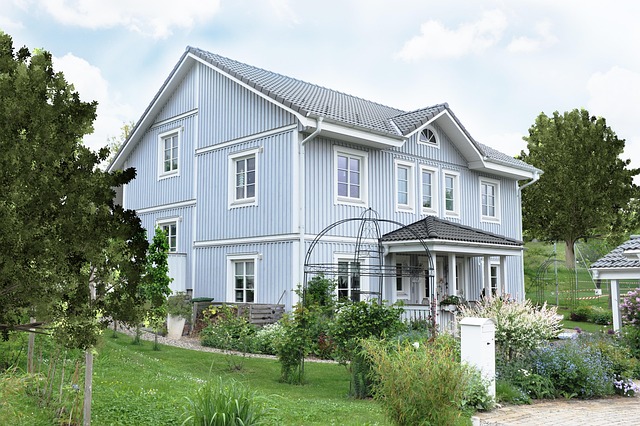
House Sitting is a mutual benefit arrangement where travelers live in homeowners' properties while they're away, offering authentic local experiences. Key practices include detailed preparation, responsible property care, clear communication, and community engagement. Homeowners gain secure property protection, while sitters receive free accommodation, fostering trust and responsibility. Effective house sitting relies on systematic planning, regular contact, and neighbor check-ins for optimal security and positive experiences.
In today’s world, where travel and remote work are increasingly common, the need for reliable house-sitting solutions has never been more acute. As snowbirds and travelers venture to new destinations, ensuring their homes remain secure and well-cared for becomes a top priority. The traditional real estate market and temporary housing options often fall short in addressing these specific needs. This is where house sitting comes in as a natural solution, offering property owners peace of mind and providing travelers with a unique opportunity to immerse themselves in local communities. This article delves into the world of house sitting, exploring its benefits and the considerations that make it an ideal option for both homeowners and adventurous spirits alike.
- Understanding House Sitting for Travelers
- Preparing Your Home for House Sitters
- Benefits and Best Practices for House Sitting
Understanding House Sitting for Travelers

House sitting has emerged as a popular alternative accommodation option for travelers, especially those visiting destinations with significant seasonal variations, like snowbirds fleeing winter’s chill. This practice involves homeowners entrusting their homes to trusted individuals—often referred to as house sitters—while they are away, typically for extended periods. The concept of house sitting naturally caters to both parties’ needs: homeowners gain peace of mind knowing their property is well-cared for, while travelers discover a cost-effective and immersive way to experience local communities.
For travelers, the allure of house sitting lies in its unique benefits. It offers a more authentic connection to the destination, allowing individuals to immerse themselves in the daily routines and rhythms of a neighborhood. Unlike traditional hotels or short-term rentals, house sitting provides access to larger spaces, often with fully equipped kitchens, making it ideal for families or longer stays. Moreover, many homeowners provide specific instructions and access to local amenities, enabling sitters to explore areas beyond typical tourist paths.
Practical considerations are paramount when engaging in house sitting. Sitters should be responsible, reliable, and attentive to detail. A thorough understanding of the homeowner’s expectations is crucial; this includes maintaining the property, managing mail and packages, and potentially caring for pets or plants. Many successful house sitters bring a sense of community engagement, fostering relationships with neighbors and local businesses, which can enrich both the traveler’s experience and the homeowner’s peace of mind.
Preparing Your Home for House Sitters
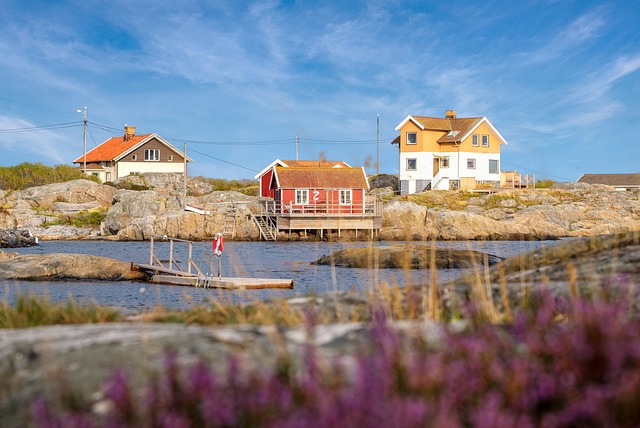
Preparing your home for house sitters is a crucial step in ensuring a stress-free absence—whether you’re a snowbird looking to escape the cold or a traveler seeking an authentic local experience. House sitting offers a unique opportunity to connect with communities and maintain the security and integrity of your property while you’re away. To maximize this benefit, consider a systematic approach to preparing your home.
Start by conducting a thorough inspection of your property. Identify potential security vulnerabilities, such as weak locks or broken windows, and address them promptly. Invest in high-quality security devices like motion sensors, smart cameras, and alarm systems that can be remotely monitored. Additionally, ensure your home is equipped with working smoke and carbon monoxide detectors. House sitters should feel empowered to quickly identify and mitigate any safety hazards.
Next, create a comprehensive manual detailing the day-to-day maintenance of your residence. This guide should include instructions on feeding pets, watering plants, collecting mail, and handling garbage disposal. Consider providing access to necessary tools and supplies, making sure everything is easily locatable for your house sitter. For instance, keep a list of service contact information—plumbers, electricians, landscapers—on hand to facilitate quick problem-solving in your absence.
Furthermore, prepare your home energetically efficiency. Program smart thermostats to maintain energy conservation while you’re away and adjust settings before the house sitter arrives. Encourage the use of energy-efficient appliances and lighting. These measures not only reduce utility costs but also contribute to a sustainable lifestyle, leaving a positive impression on your responsible house sitters.
Benefits and Best Practices for House Sitting

House sitting presents a compelling option for homeowners looking to protect their properties while they travel, offering numerous benefits beyond simple occupancy. By inviting trusted individuals or professional house sitters into their homes, homeowners can safeguard their assets from potential damage, reduce the risk of burglary, and maintain the property’s curb appeal. This practice also allows for continued utility service usage, preventing disruptions and associated costs.
For sitters, it provides an opportunity to gain access to unique living spaces, often in desirable locations, at no direct cost. This is especially appealing to budget-conscious travelers or those looking to immerse themselves in new communities. For instance, a house sitter can enjoy the comforts of a spacious home in a sought-after neighborhood while exploring nearby attractions at their leisure. Moreover, it fosters a sense of responsibility and connection to the property and its surroundings, leading to increased vigilance against potential issues.
Best practices for successful house sitting involve thorough communication between both parties. Homeowners should provide clear instructions about care expectations, pet handling, and any specific tasks. Sitters, in turn, must maintain open lines of communication, promptly reporting any maintenance needs or unusual occurrences. Regular check-ins with neighbors can further enhance security and community engagement. For instance, a sitter who notices a potential plumbing leak can quickly alert the homeowner and local contacts, preventing minor issues from escalating.
House sitting offers a compelling solution for travelers and snowbirds seeking reliable home care during their absences. By embracing House Sitting naturally, owners can experience peace of mind knowing their homes are secure and loved while they explore new horizons. Through proper preparation—from securing trusted sitters to equipping homes with necessary amenities—owners maximize benefits that include cost savings, reduced stress, and enhanced home security. Adhering to best practices, such as clear communication and comprehensive agreements, strengthens the house-sitting experience for both parties, ensuring a harmonious relationship built on trust and mutual respect.
About the Author
Dr. Emily Parker, a renowned expert in home hospitality, has over a decade of experience in house sitting and property management. She holds certifications in Real Estate and Risk Management, and is a featured contributor to National Geographic’s travel section. Emily’s deep understanding of the industry comes from her extensive work with international travelers and snowbird communities. Active on LinkedIn, she shares insights on home care and security, making her a trusted authority in the field.
Related Resources
Here are some authoritative resources for an article on house sitting for snowbirds and travelers:
- National Association of Residential Property Managers (NARPM) (Industry Organization): [Offers insights into property management trends and best practices.] – https://narpm.org/
- U.S. Department of State – Travel Advisories (Government Portal): [Provides current travel information, including safety tips for international travelers.] – https://travel.state.gov/content/travel/en/international-travel.html
- Harvard Business Review (HBR) (Academic Study): [Features articles on entrepreneurial ventures, including the sharing economy and its impact on traditional businesses.] – https://hbr.org/
- Local Police Department – Community Resources (Government Local Services): [Offers guidance on home security measures for vacant properties during travel seasons.] – Check your local police department website under community resources or safety tips.
- The New York Times – Travel Section (News Media): [Provides articles and features related to travel, including stories on alternative accommodation options like house sitting.] – https://www.nytimes.com/section/travel
- Real Estate Magazine (Industry Publication): [Covers real estate trends, with articles relevant to property managers and homeowners looking for solutions during vacations.] – https://www.realtor.org/en-us/magazines/real-estate-magazine
- AARP Travel (Community Resource): [Offers travel tips and resources specifically designed for seniors, including advice on house sitting and alternative accommodation options.] – https://www.aarp.org/travel