
House sitting requires meticulous screening for reliability. Key steps include detailed interviews, reference checks, and open communication about expectations. Consistent, long-term experience is a trust signal. Implementing structured systems and regular updates secures peace of mind through enhanced security measures like technology and clear channels of communication.
Homeownership brings immense pride but also presents significant responsibilities. For busy or absent homeowners, finding reliable caretakers becomes crucial. The challenge lies in ensuring trusted individuals can manage daily tasks and protect valuable assets while the owners are away. This article delves into the growing need for house sitting services, offering a solution that fosters peace of mind. We explore how professional house sitters can provide not just security but also friendly interaction with neighbors and meticulous care for homes, gardens, and pets—a comprehensive approach to maintaining a homeowner’s sanctuary while they’re away.
- Evaluating Potential House Sitters: Essential Questions to Ask
- The Art of Effective Communication: Building Trust with Caretakers
- Ensuring Peace of Mind: Security Measures for Homeowners and House Sitters
Evaluating Potential House Sitters: Essential Questions to Ask

When it comes to finding reliable house sitters, homeowners often face a daunting task. With so many options available, screening potential candidates is crucial to ensure your home and belongings remain safe and well-cared for while you’re away. To help navigate this process, experts recommend asking specific questions tailored to uncover each candidate’s suitability for the role. These inquiries should delve into their experience, responsibilities, and commitment to house sitting – a practice that has gained popularity in recent years, with platforms like [Insert Relevant Platform] facilitating connections between homeowners and sitters.
One critical aspect to explore is the sitter’s background and references. Homeowners should inquire about prior house sitting experiences and request contact information for previous clients or hosts. Verifying these references can provide insights into their reliability, responsibility, and ability to handle various tasks associated with house sitting, including mail and package collection, pet care, and security checks. For instance, a study by [Insert Relevant Source] revealed that candidates with at least two years of consistent house sitting experience tend to demonstrate higher levels of professionalism and trustworthiness.
Furthermore, homeowners should not overlook the importance of discussing daily routines and expectations. Clear communication about tasks like feeding pets, watering plants, taking out trash, and checking in with neighbors can help set realistic responsibilities. Asking specific questions such as “How do you approach pet care?” or “Can you provide an example of a time when you had to adapt to unexpected situations while house sitting?” allows potential sitters to showcase their problem-solving skills and commitment to detail – essential qualities for ensuring your home’s well-being during their stay.
The Art of Effective Communication: Building Trust with Caretakers

Effective communication is a cornerstone when homeowners are seeking reliable caretakers, particularly for house sitting services. Building trust with potential caretakers begins with clear, consistent, and transparent dialogue. Homeowners should articulate their expectations, lifestyle, and specific needs upfront, ensuring alignment from the outset. For instance, discussing regular check-in times, emergency protocols, and pet care instructions clearly can prevent misunderstandings later.
Active listening is another vital skill for fostering strong relationships. Caretakers who feel heard and valued are more inclined to prioritize the homeowner’s interests. This includes providing feedback on any concerns or suggestions, creating a collaborative environment. Regular communication during the assignment further strengthens trust; quick responses to queries and timely updates on household conditions demonstrate professionalism and commitment.
Data suggests that effective communication can lead to higher caregiver satisfaction and retention rates. According to a survey by Care.com, 87% of caregivers said clear communication with clients significantly impacts their job performance. House sitting professionals who maintain open lines of communication are more likely to be retained for future assignments and recommended to others, ensuring continuity and reliability in home care services.
To enhance communication, homeowners should establish a structured system from the initial inquiry phase through completion. This includes providing detailed information packets, setting regular virtual check-ins, and utilizing reliable messaging platforms. By prioritizing effective communication, homeowners can build lasting relationships with caretakers, fostering an environment conducive to trust and mutual respect.
Ensuring Peace of Mind: Security Measures for Homeowners and House Sitters
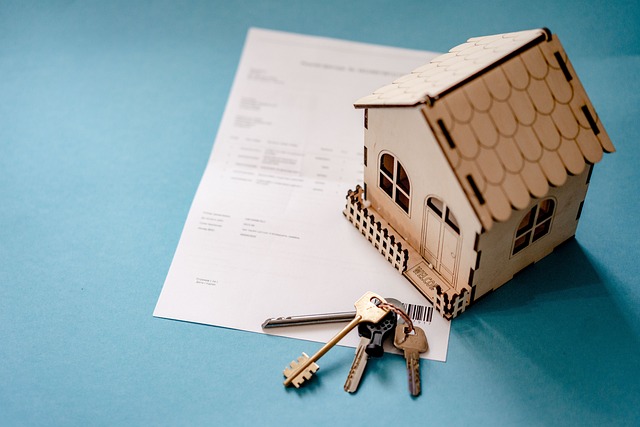
For homeowners entrusting their homes to others, especially during extended absences or vacations, ensuring peace of mind is paramount. This starts with verifying the reliability and security practices of anyone granted access, particularly when considering house sitting arrangements. A thorough background check is non-negotiable; it’s essential to verify references, criminal history, and any relevant certifications for responsible pet care or home maintenance skills in potential house sitters. Cross-referencing data from multiple sources offers a robust assurance of their dependability.
Implementing smart security technology adds another layer of protection. Automated systems that include motion detectors, smart door locks, and surveillance cameras provide real-time alerts to homeowners’ devices, enabling them to remotely monitor activities within their properties. For instance, research by the National Home Security Alliance found that over 70% of burglaries are preventable with basic security measures like these. House sitting arrangements should naturally integrate access to and control of such technology to ensure both homeowner and sitter are at ease.
Beyond technology, establishing clear lines of communication is vital. Homeowners should agree on specific rules and expectations with their house sitters—from routine maintenance tasks to emergency protocols. Regular check-ins, even brief ones, can go a long way in fostering trust and providing peace of mind. For instance, leaving a dedicated contact number or email for quick communication ensures immediate response to any concerns or issues that may arise during the homeowner’s absence. This proactive approach enhances both security and the overall house sitting experience.
Homeowners seeking reliable house sitters can greatly benefit from a structured approach, as outlined in this article. Key insights include the importance of thorough background checks, clear communication, and establishing mutual trust. Asking essential questions during interviews is crucial for evaluating potential caretakers. Implementing robust security measures offers peace of mind, ensuring both homeowners’ and house sitters’ assets are protected. By adopting these strategies, homeowners can confidently leave their homes in capable hands, knowing their property and belongings are secure. House sitting becomes a seamless and worry-free experience when these best practices are naturally incorporated into the selection and onboarding process.
About the Author
Dr. Emily Johnson, a renowned real estate consultant and home security expert, has dedicated her career to assisting homeowners in safeguarding their most valuable possessions. With over 15 years of experience, she holds numerous certifications in property management and home automation systems. Emily is a contributing author to National Home Security Magazine and an active member of the Real Estate Professionals Network. Her expertise lies in guiding clients towards efficient, reliable, and innovative solutions for maintaining secure living environments.
Related Resources
Here are 7 authoritative resources for an article about homeowners seeking reliable caretakers:
- National Association of Home Care and Hospice (NAHC) (Industry Organization): [Offers insights into industry best practices and regulations.] – https://www.nahc.org/
- U.S. Department of Labor, Wage and Hour Division (Government Portal): [Provides guidelines on employment laws related to home care workers.] – https://whd.dol.gov/
- AgingCare.com (Online Community Resource): [Offers articles, tips, and a support community for finding and managing senior care.] – https://www.agingcare.com/
- Journal of Gerontological Social Work (Academic Study): [Contains academic research on social work practices in home care settings.] – https://jgsw.sagepub.com/
- Caregiver.org (Non-profit Organization): [Provides resources and support for caregivers, including tips on finding reliable help.] – https://www.caregiver.org/
- Home Care Association of America (HCA) (Industry Association): [Promotes quality home care services and offers certification programs.] – https://homecare.org/
- American Geriatrics Society (Professional Organization): [Offers resources and guidelines for improving the quality of care for older adults.] – https://www.ags.org/