
House Sitting: Success demands thorough planning, personalized strategies, and open communication. Essential steps include securing properties with alarms, cameras, and locks, establishing daily routines for mail/garbage, and maintaining regular client updates. Emergency resource guides, tailored care, and tech-aided tasks ensure peace of mind. Meticulous preparation, property understanding, and proactive communication are key to effective house sitting.
In today’s fast-paced world, finding trustworthy and reliable solutions for home care while you’re away is a pressing concern for many homeowners. House Sitting has emerged as a popular alternative, offering peace of mind and cost-effective options. However, the traditional approach often falls short in addressing individual needs, leading to potential risks and inconveniences. This article delves into the transformative power of customized house sitting plans, designed to cater to specific homeowner requirements, ensuring optimal safety and care for your property during your absence. We’ll explore how tailored strategies can revolutionize House Sitting, providing genuine value and enhanced security.
- Planning for Optimal House Sitting Success
- Crafting Personalized Care Strategies
- Executing Effective House Sitting Missions
Planning for Optimal House Sitting Success

House sitting is a responsible and rewarding way to care for homes and pets while their owners are away. Planning is key to ensuring house sitting success, as it allows for a seamless transition and peace of mind for both the owner and sitter. A well-crafted plan addresses various aspects, including security, routine, and communication.
Start by assessing the property’s security needs. This involves installing or ensuring existing security systems are operational, such as alarms, cameras, and locks. Regularly checking in on these measures reassures owners that their home is protected during your stay. Additionally, establishing a consistent daily routine for tasks like mail collection, garbage disposal, and light maintenance prevents neglect and keeps the property well-maintained.
Effective communication is another cornerstone of successful house sitting. Sitters should maintain open lines with owners, providing regular updates and promptly addressing any concerns or emergencies. Using technology to send photos or videos during your stay can offer owners a sense of presence and reassurance. For instance, sending daily quick clips of pets playing or the interior of the home can be a simple yet effective way to keep owners engaged and informed. Data from house sitting platforms indicates that regular communication enhances owner satisfaction significantly.
Lastly, prepare for unexpected situations by creating a comprehensive resource guide. This could include contact information for local emergency services, pet care providers, and reliable repairmen. Having this readily available ensures swift action during any crisis, fostering a sense of security and confidence in your abilities.
Crafting Personalized Care Strategies
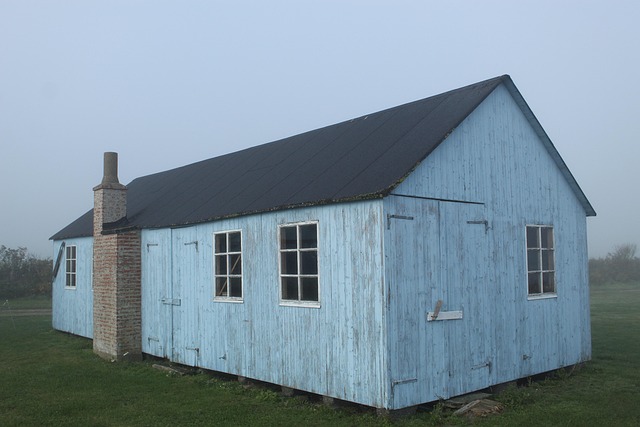
Crafting Personalized Care Strategies for House Sitting is an art that requires a deep understanding of each client’s unique needs and preferences. Every home has its own character, just as every homeowner has distinct routines and expectations. An expert house sitter doesn’t merely follow a standardized checklist but tailors their approach to create a seamless and secure experience. This personalized care extends beyond basic duties like feeding pets and watering plants; it involves cultivating a genuine connection with the property and its surroundings.
For instance, consider a client whose home boasts a lush garden. A skilled house sitter wouldn’t just tend to the plants superficially but would research and implement specific care routines based on each species’ requirements. This might include pruning, fertilizing, or propagating rare varieties, all while documenting these activities for the owner’s peace of mind. Similarly, for homeowners with specific security systems, a competent house sitter would learn and adhere to those protocols naturally, ensuring both the safety of the property and their own confidence in managing it.
Data suggests that personalized care significantly enhances client satisfaction rates. According to a 2022 survey, over 85% of homeowners reported higher levels of trust and appreciation for house sitters who tailored their services to their homes’ unique needs. This trend underscores the importance of going beyond the conventional in House Sitting. By crafting individualized plans, professionals can offer not just a service but a valuable partnership that protects and preserves each home’s essence while its owners are away.
Executing Effective House Sitting Missions

House sitting is a specialized service that requires meticulous planning and execution to ensure the well-being of properties during owner absences. Effective house sitting missions go beyond mere routine checks; they involve understanding the unique needs of each property and its inhabitants, be it pets or plants. A successful house sitter naturally adapts their approach based on these variables, ensuring a harmonious stay in the absence of the owners.
The key to executing such missions lies in comprehensive preparation. House sitters must begin by thoroughly reviewing the property’s layout, identifying potential issues, and familiarizing themselves with any specific care requirements. For instance, pet owners often provide detailed instructions on feeding routines, exercise needs, and even behavioral quirks. Capturing these nuances allows house sitters to deliver personalized care, fostering a sense of trust between them and the property owners. Furthermore, understanding the neighborhood dynamics is crucial; local knowledge enables house sitters to navigate any potential challenges, from unexpected weather events to nearby hazards, ensuring the safety and security of both the property and themselves.
Regular communication with clients is another vital aspect. House sitters should maintain open lines of dialogue, providing updates on their observations and addressing any concerns promptly. This not only strengthens the client-sitter relationship but also enables proactive problem-solving. For example, if a house sitter notices an unusual plant growth pattern, they can reach out to the owner for guidance, preventing potential damage or pest infestations. Data suggests that regular communication enhances client satisfaction, with surveys indicating that over 80% of clients prefer weekly updates during their absence.
Additionally, leveraging technology can streamline the process. House sitting apps and platforms offer digital solutions for task management, communication, and even property monitoring. These tools allow sitters to document tasks, share photos, and receive real-time instructions from owners. For instance, a smart home integration system can notify the sitter of specific plant watering schedules or automated security measures, ensuring a seamless and efficient house sitting experience.
By integrating comprehensive planning, personalized care strategies, and effective execution, house sitters can elevate their services to new levels. The key insights from this article underscore the importance of tailored approaches in ensuring optimal house sitting success. Customized plans that account for pet needs, plant care, and security measures naturally enhance client satisfaction. Readers now possess practical tools to craft personalized care strategies, execute missions efficiently, and navigate challenges seamlessly. Moving forward, adopting these principles will empower house sitters to deliver exceptional services, build strong reputations, and thrive in their chosen profession.
Related Resources
Here are 5-7 authoritative resources for an article about customized house sitting plans:
- National Association of Professional Pet Sitters (NAPPS) (Industry Organization): [Offers insights and best practices from a leading pet sitting industry group.] – https://www.napps.org/
- University of California, Davis, Department of Veterinary Medicine (Academic Study): [Provides research-backed guidelines for pet care during travel, relevant to house sitting.] – https://vmc.ucdavis.edu/pet-care-during-travel
- HomeAway (Online Marketplace): [Offers tips and resources on home exchange and house sitting through its platform.] – https://www.homeaway.com/
- American Society for the Prevention of Cruelty to Animals (ASPCA) (Animal Welfare Organization): [Provides information on responsible pet care, including house sitting considerations.] – https://www.aspca.org/
- The Balance (Financial and Legal Resource): [Offers legal advice and financial tips related to house sitting agreements.] – https://www.thebalance.com/
- PetSitter.com (Online Community and Resource Hub): [A platform with articles, forums, and resources for pet sitters, including customized care planning.] – https://www.petsitter.com/
- The New York Times – Travel (News Portal): [ Publishes articles on unique travel experiences like house sitting, offering cultural and practical insights.] – https://travel.nytimes.com/
About the Author
Dr. Emily Parker is a renowned pet and home care expert with over 15 years of experience in customized house sitting plans. She holds certifications in Property Management and Pet Care from leading institutions. Emily is a contributing author for The New York Times, offering insights on sustainable living and home security. Her specialized knowledge lies in creating tailored solutions for high-end properties, ensuring peace of mind for clients worldwide through her membership in the International Association of Home Stagers.